American Packaging Corporation (APC) Highlights Extended Producer Responsibility (EPR) and Preparing for the future of packaging
PR Newswire
COLUMBUS, Wis., July 28, 2026
COLUMBUS, Wis., July 28, 2026 /PRNewswire/ -- Introduction to EPR
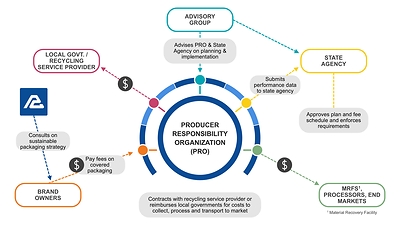
As Extended Producer Responsibility (EPR) legislation expands across the United States, packaging decisions are no longer driven by performance and sustainability alone. Traditionally influenced by consumer preferences, corporate sustainability initiatives surrounding packaging decisions are increasingly shaped by regulatory requirements. At its core, EPR shifts the financial responsibility for managing packaging waste from local governments and taxpayers to the companies that bring packaged goods to market. Under these programs, producers contribute fees through Producer Responsibility Organizations (PROs) to help fund statewide recycling programs.
Many EPR programs tie producer fees to packaging characteristics, creating an incentive for companies to design packaging that is more recyclable and aligned with program objectives through a system known as eco-modulation.
Eco-modulation recognizes that not all packaging has the same impact on recycling systems. As a result, producer fees are adjusted to reflect packaging characteristics, rewarding designs that better support recycling while encouraging improvements to those that do not.
Although EPR programs have been established internationally for years, the United States is now seeing rapid adoption through state legislation. Because each state develops its own program requirements, companies that distribute products nationally must navigate an increasingly complex regulatory environment. As additional states consider EPR legislation, packaging decisions are becoming an important part of long-term business planning rather than simply a sustainability strategy.
The Impact of EPR Legislation on Product Manufacturers
For product manufacturers, EPR extends beyond environmental initiatives. It introduces new responsibilities that directly influence packaging decisions. Historically, packaging strategies focused on product protection, brand objectives, and sustainability goals. Today, those same packaging decisions may also affect producer fees and state-specific regulatory requirements under EPR legislation.
EPR is enacted at the state level. Because of this, requirements vary across the country. States including California, Colorado, Maine, Minnesota, Oregon, and Washington have adopted packaging EPR laws, each with unique compliance regulations and implementation timelines. As more states develop similar legislation, manufacturers selling products across multiple states must continuously monitor changing requirements.
As additional states adopt EPR legislation, greater consistency across program requirements could help reduce complexity for manufacturers operating nationwide. A more harmonized approach would make it easier for organizations to navigate evolving requirements while supporting more efficient implementation across state programs.
Organizations such as the Circular Action Alliance (CAA) help producers meet EPR program requirements. Their role helps streamline the process by providing administrative support and guidance throughout program participation. Even with that support, producers remain responsible for understanding how packaging decisions can influence EPR-related costs.
The financial impact can be significant. Fee schedules differ by state and by material type. As a result, packaging decisions—including recycle-ready, certified circular, and compostable solutions—may influence program costs depending on how they are evaluated under individual state EPR programs. This makes packaging design a strategic business decision rather than simply an operational one.
How Packaging Strategy Supports Current and Future EPR Requirements
As EPR legislation continues to evolve, packaging strategy plays an important role in balancing regulatory requirements, sustainability goals, and overall package performance. One-way organizations can prepare is by evaluating packaging early in the design process rather than after new legislation is enacted. Decisions related to materials, package design, and recyclability can influence future program costs, including producer fees that may vary based on packaging characteristics.
Every product and supply chain presents unique challenges, leaving little room for a one-size-fits-all solution. The most effective packaging strategies are those tailored to each product's unique performance requirements while supporting long-term EPR objectives.
Working with an experienced packaging partner can help simplify this process. Evaluating packaging structures, comparing material alternatives, and understanding potential cost impacts can help organizations make informed decisions that take EPR initiatives into consideration.
Getting Your Organization Ready for the Change
EPR legislation will continue expanding across the United States, making it important for organizations to proactively prepare rather than react after new requirements take effect.
Preparation begins with understanding current packaging portfolios and identifying which products may be affected under existing or proposed state legislation. Companies should evaluate material choices, review package designs, understand reporting obligations, and monitor implementation timelines across the states in which they operate. As part of this process, trusted packaging partners can run cost models to project potential EPR fees for different packaging structures and formats under consideration. Taking these steps early can help organizations make informed packaging decisions while avoiding unnecessary challenges as new requirements are introduced.
As EPR programs continue to mature, organizations should view preparation as an ongoing process rather than a one-time initiative. Regularly reviewing packaging strategies and staying informed about legislative developments can help manufacturers adapt with confidence as EPR continues to shape the future of packaging.
For more information about American Packaging's Corporations flexible packaging solutions and Extended Producer Responsibility (EPR), please contact:
Founded in 1902, American Packaging Corporation is a recognized leader in the flexible packaging industry. Family-owned, APC distinguishes itself by investing in state-of-the-art facilities and capabilities, delivering packaging innovation, promoting sustainable products and practices, and focusing customer delight. Today, APC operates six Centers of Excellence in the United States and employs approximately 1,300 talented, motivated professionals. For more information, please visit americanpackaging.com.
Media Contacts
American Packaging Corporation
Teri Meadow
TMeadow@AmericanPackaging.com
 View original content to download multimedia:https://www.prnewswire.com/news-releases/american-packaging-corporation-apc-highlights-extended-producer-responsibility-epr-and-preparing-for-the-future-of-packaging-302836556.html
SOURCE American Packaging Corporation

